
Workshop Practice
Close studies of sequence, tools and small exercises that make hand skills legible.
Mapping a Basket Base Before You Weave
A field guide to planning stake count, spacing and material roles so a basket base can grow evenly.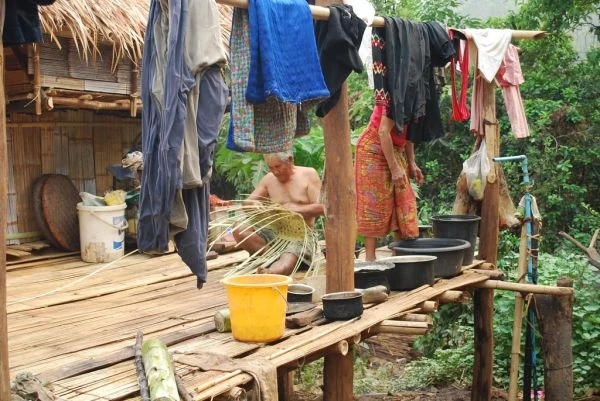 Read field guide
Loom Tension as a Working Rhythm
A field guide to learning to diagnose edges, spacing and beat through a narrow tapestry sampler.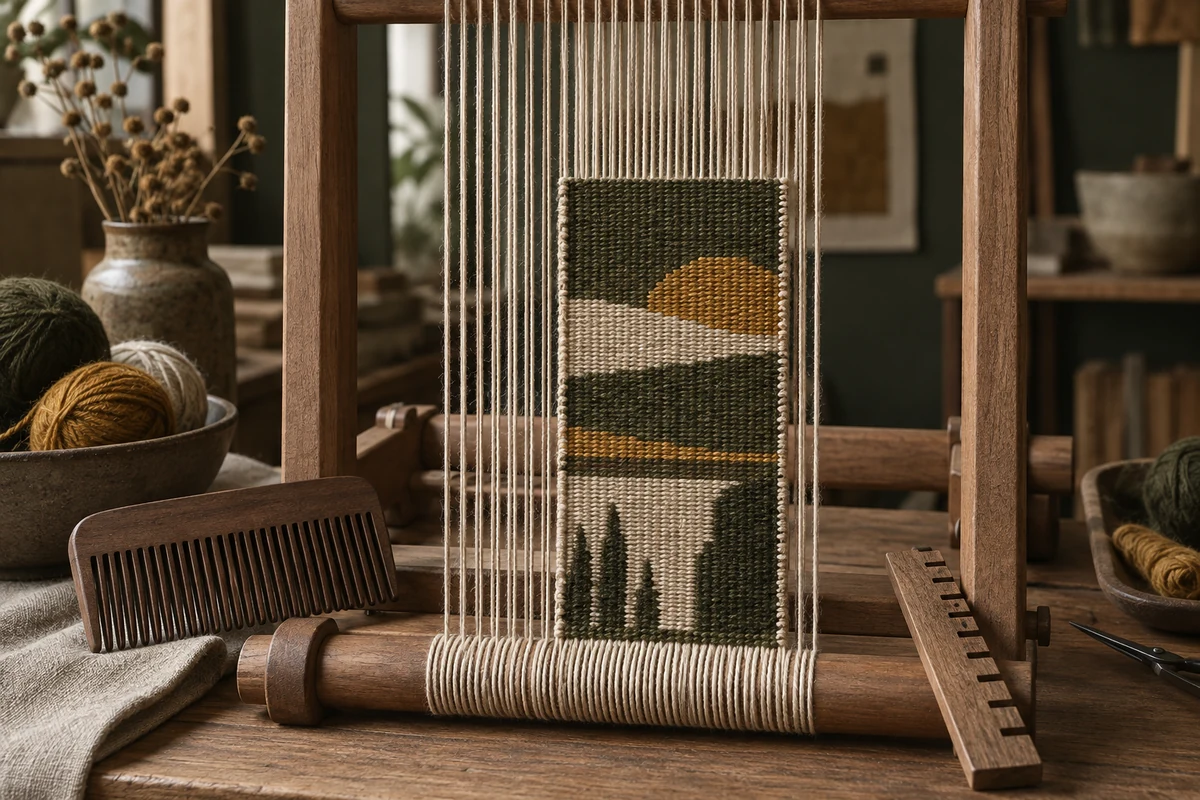 Read field guide
A Dye Notebook That Can Explain Results
A field guide to building records that separate material preparation, vat condition and finishing.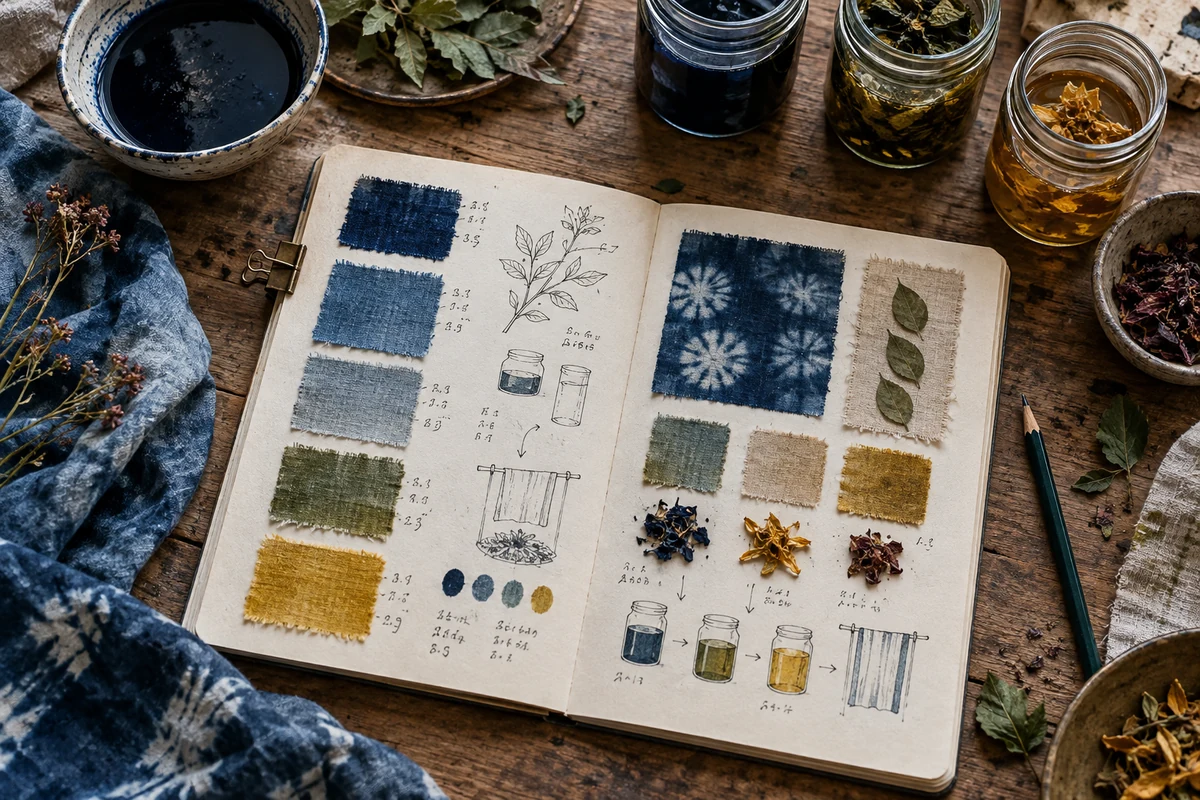 Read field guide
A Handbuilding Test Series Worth Keeping
A field guide to using small clay studies to compare joins, wall thickness, texture and firing response.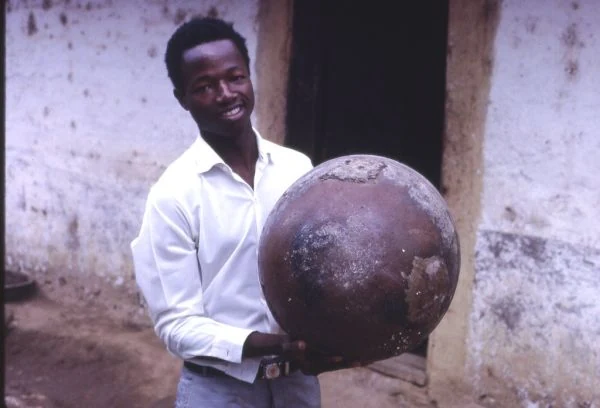 Read field guide
A Carved Spoon Begins on the Board
A field guide to laying out a useful wooden form around grain, strength and the intended grip. Read field guide
Build a Sewn Book Structure Model
A field guide to using a non-valuable paper model to understand folds, sections, sewing and opening.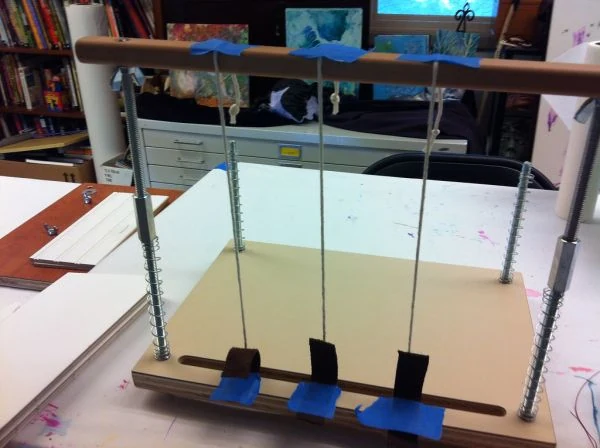 Read field guide
Reading the Visual Logic of Dry Stone
A field guide to understanding selection, placement, contact and landscape without offering structural instructions. Read field guide
Tool Marks as a Sequence
A field guide to reading repeated cuts, presses and strokes as evidence of process rather than decoration.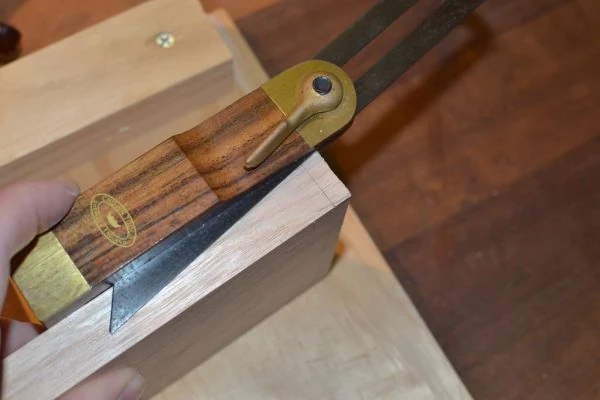 Read field guide
Design a Weaving Sampler That Answers One Question
A useful sampler is designed to answer a question. Keep the setup small, change one factor and record the choices that shaped the cloth.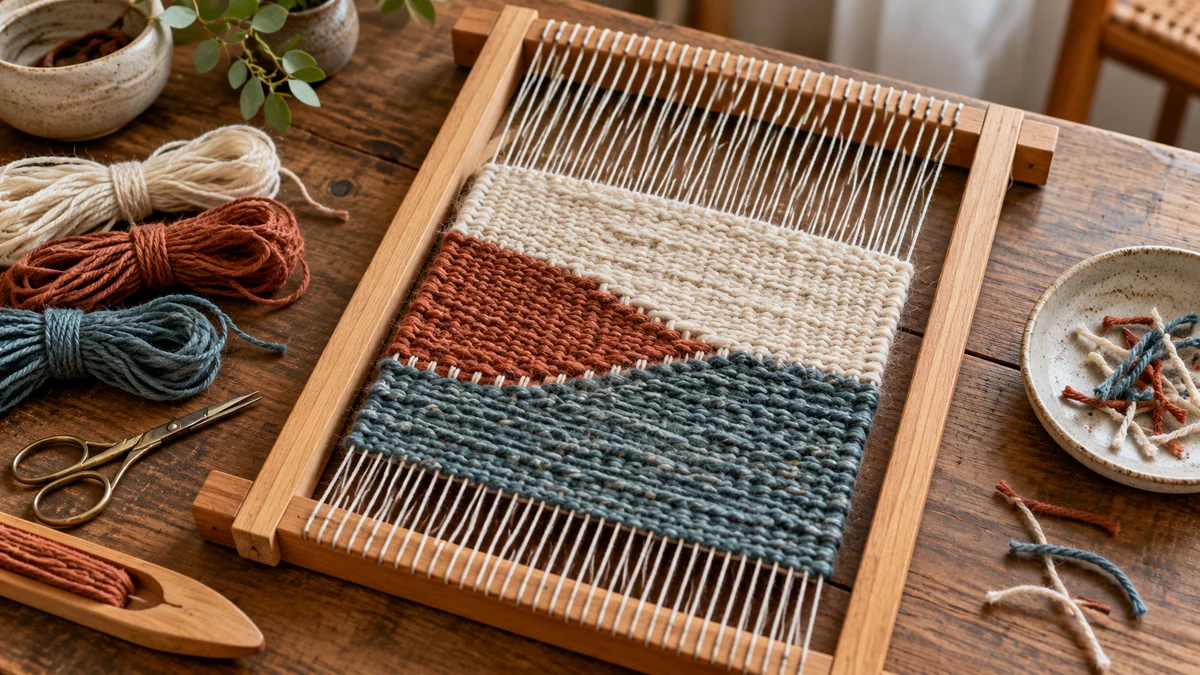 Read field guide
A Dye Test Is a Record, Not a Recipe
A color sample becomes useful when its process stays attached. Record materials and sequence, and avoid turning one result into a universal recipe.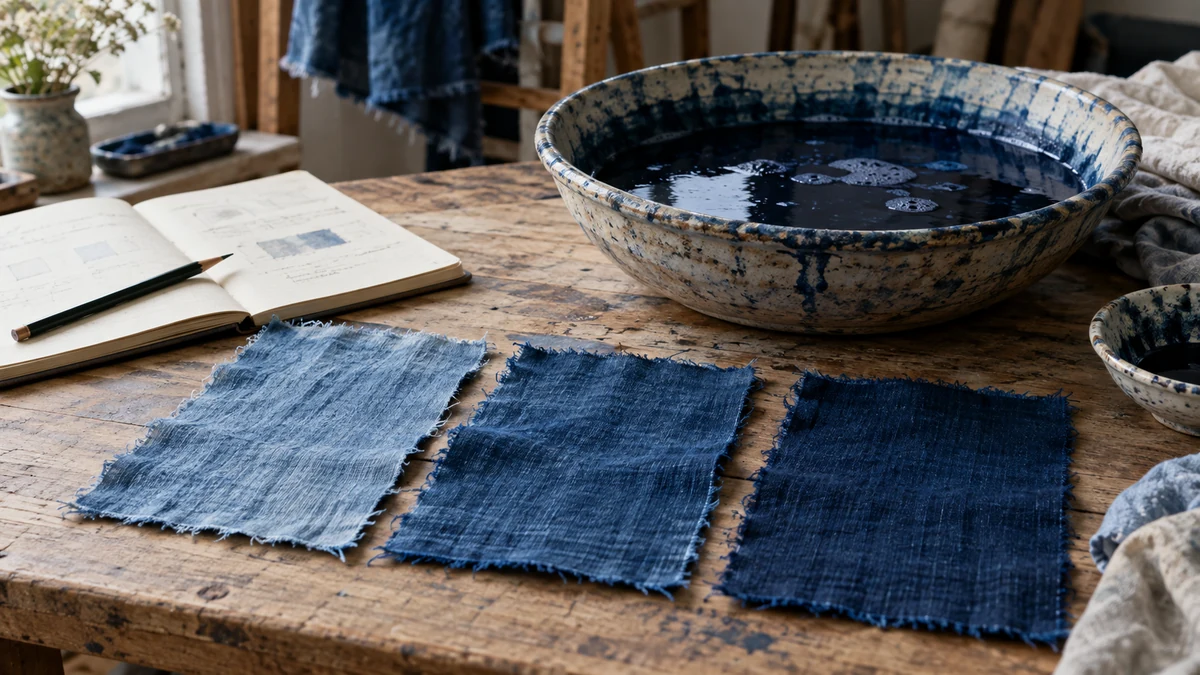 Read field guide
Lay Out a Carving Blank Around the Grain
Before cutting a new blank, make the grain part of the drawing. Compare possible outlines and record why one form preserves more continuous fibres.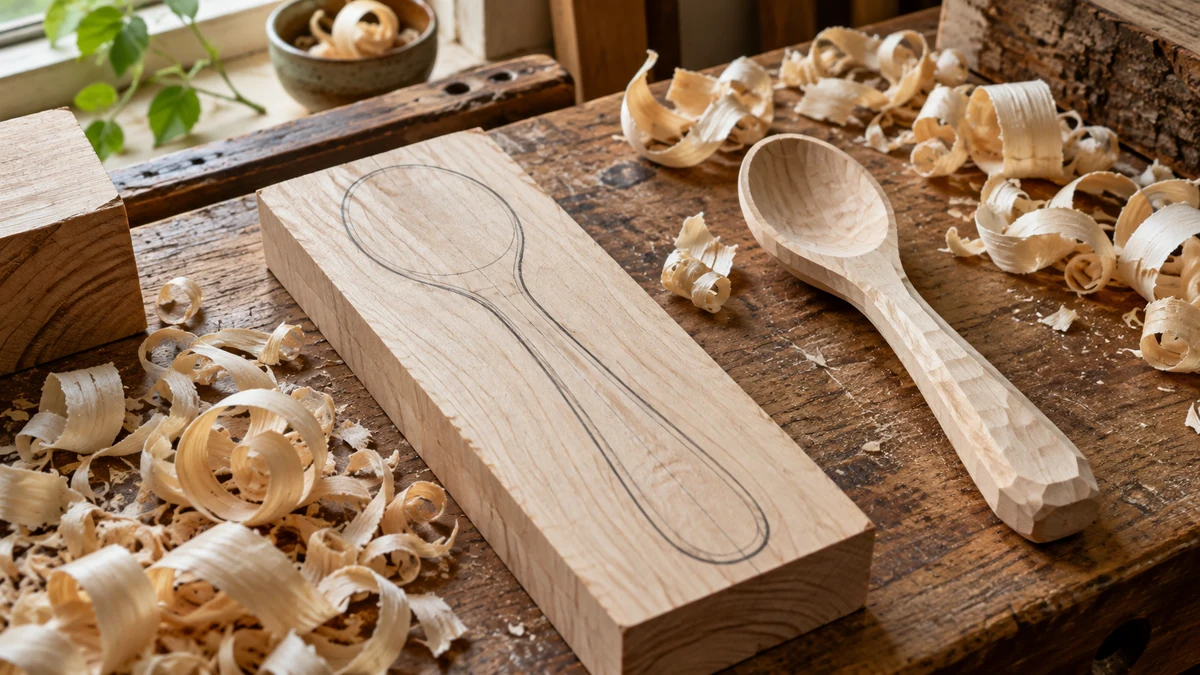 Read field guide
Make a Sewn-Book Model Before Choosing the Binding
A small pamphlet model lets you see how pages, sewing and cover work together before choosing a more complex binding structure.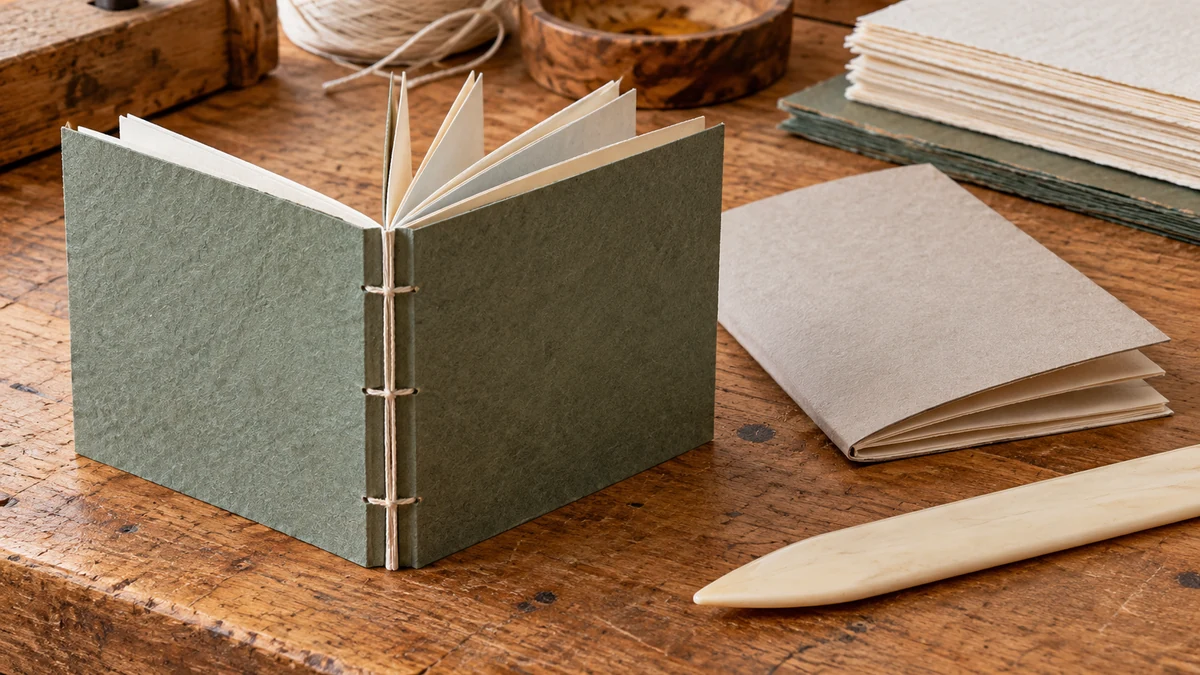 Read field guide