
Living Heritage
How knowledge moves through communities, landscapes, apprenticeships and responsible patronage.
Learning by Watching Is Still Structured Learning
A field guide to recognizing observation, imitation, correction and repetition as parts of craft transmission.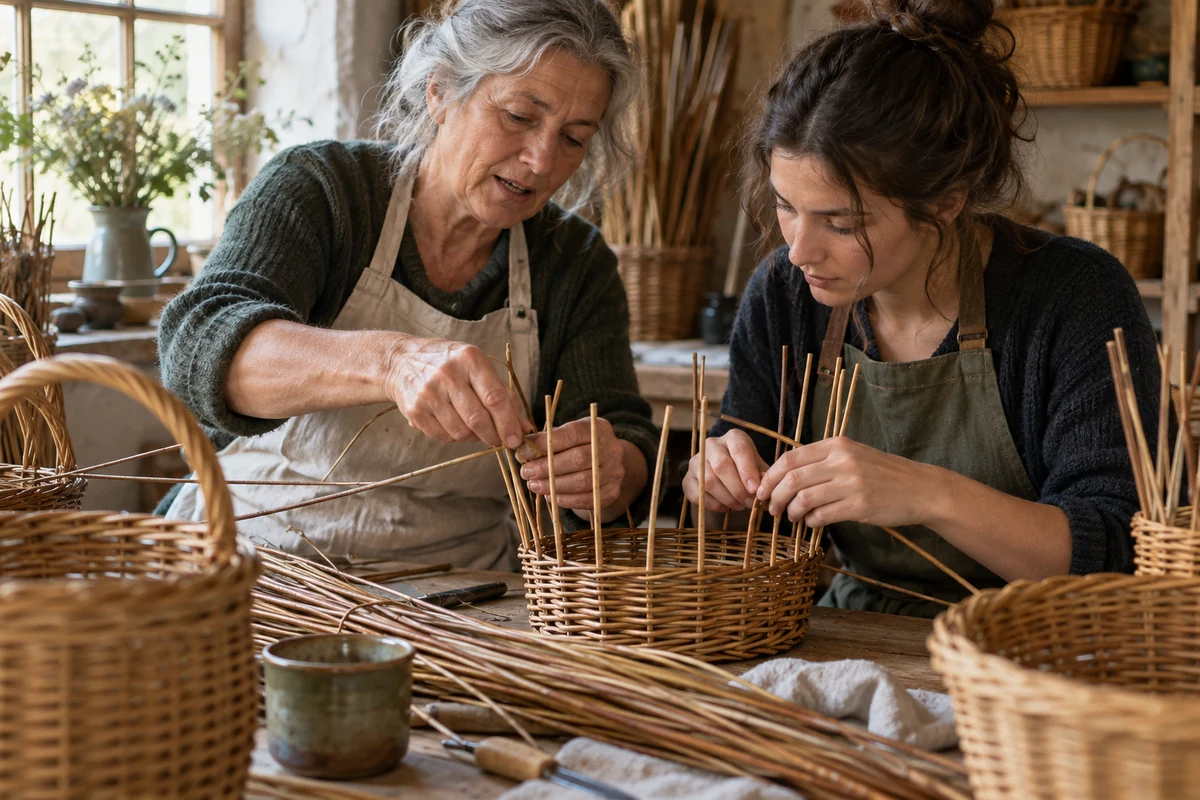 Read field guide
Basketry Lives Through Material Access and Teaching
A field guide to examining why plant knowledge, workshops and community recognition matter alongside finished baskets.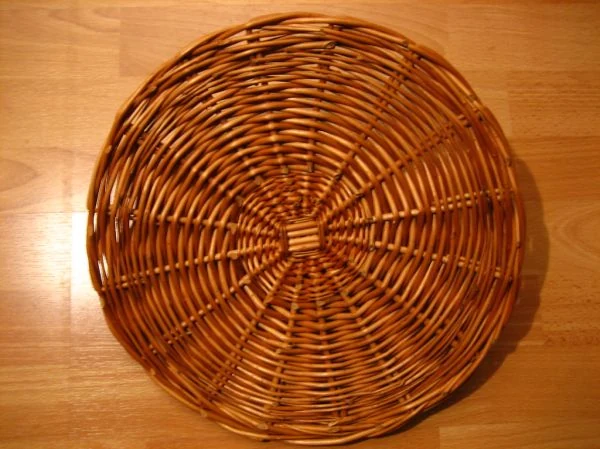 Read field guide
Dry Stone as Collective Knowledge
A field guide to seeing walling as collaboration among material, terrain, practitioners and community memory. Read field guide
Regional Textile Knowledge Is More Than a Pattern
A field guide to reading fibre, dye, weave, embroidery, use and naming as an interconnected system.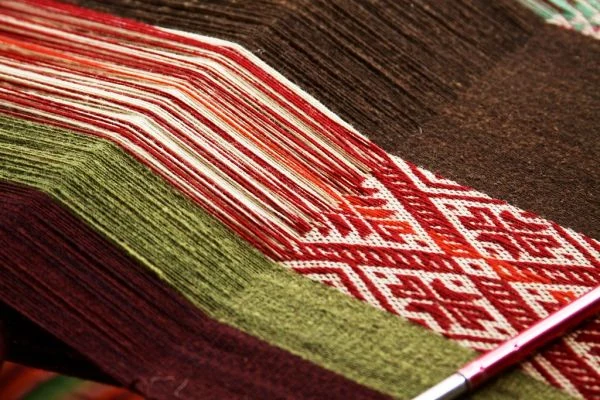 Read field guide
Thatch and Regional Character
A field guide to understanding how material, processing and roof practice contribute to local distinctiveness.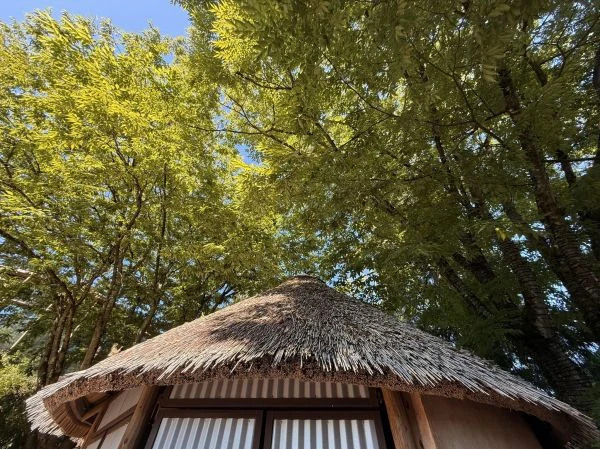 Read field guide
Keeping the Evidence of Use
A field guide to recognizing wear, patina, repairs and adaptations as records of an object's working life.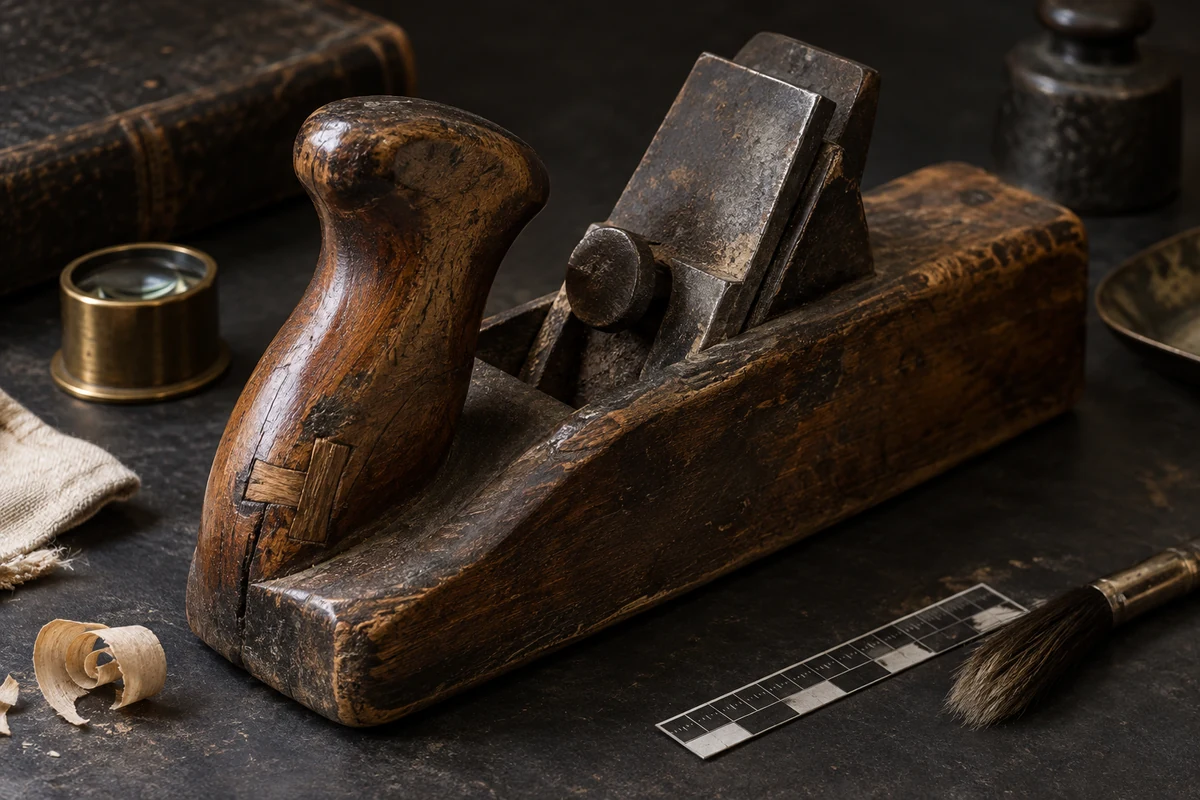 Read field guide
Commissioning Handmade Work Responsibly
A field guide to asking clear questions about materials, authorship, time, care and cultural context before placing an order.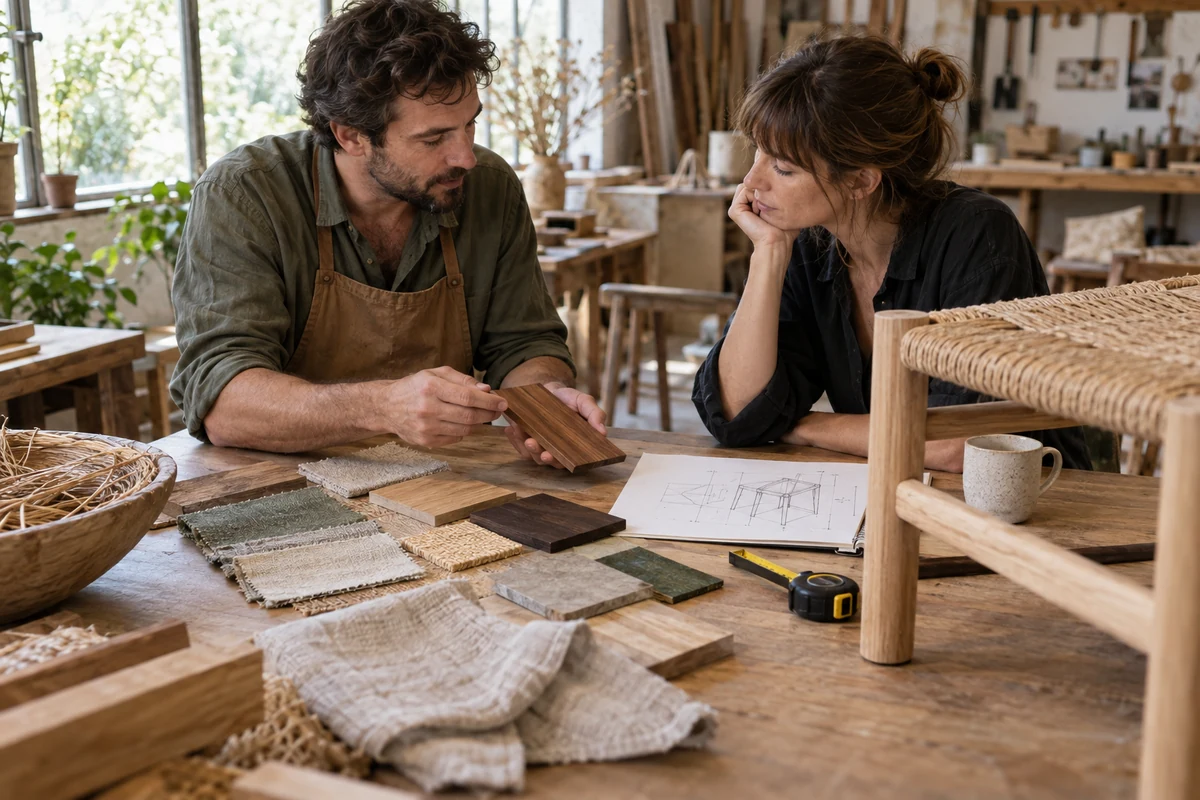 Read field guide
Conservation and Restoration Ask Different Questions
A field guide to using clear terms to decide whether the goal is stability, legibility, function or renewed appearance.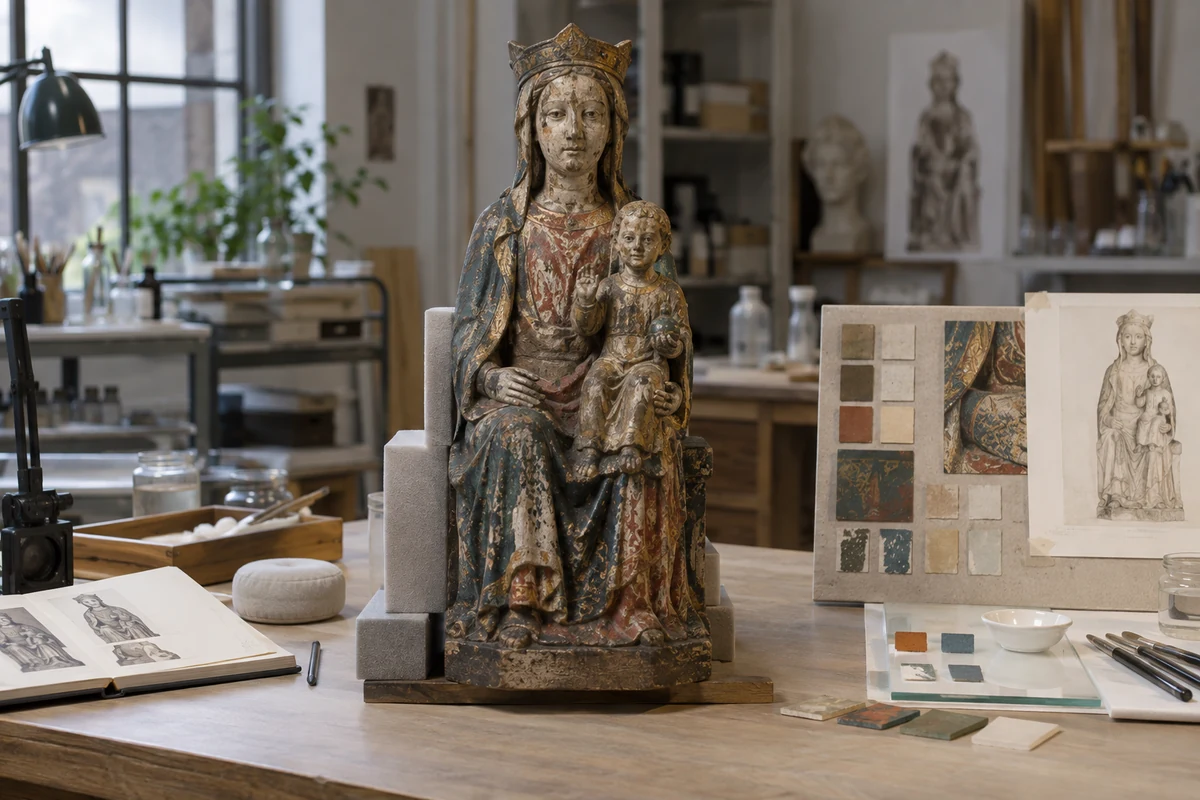 Read field guide
A Seasonal Calendar for Material Knowledge
A field guide to recording when local materials are gathered, prepared, used and rested.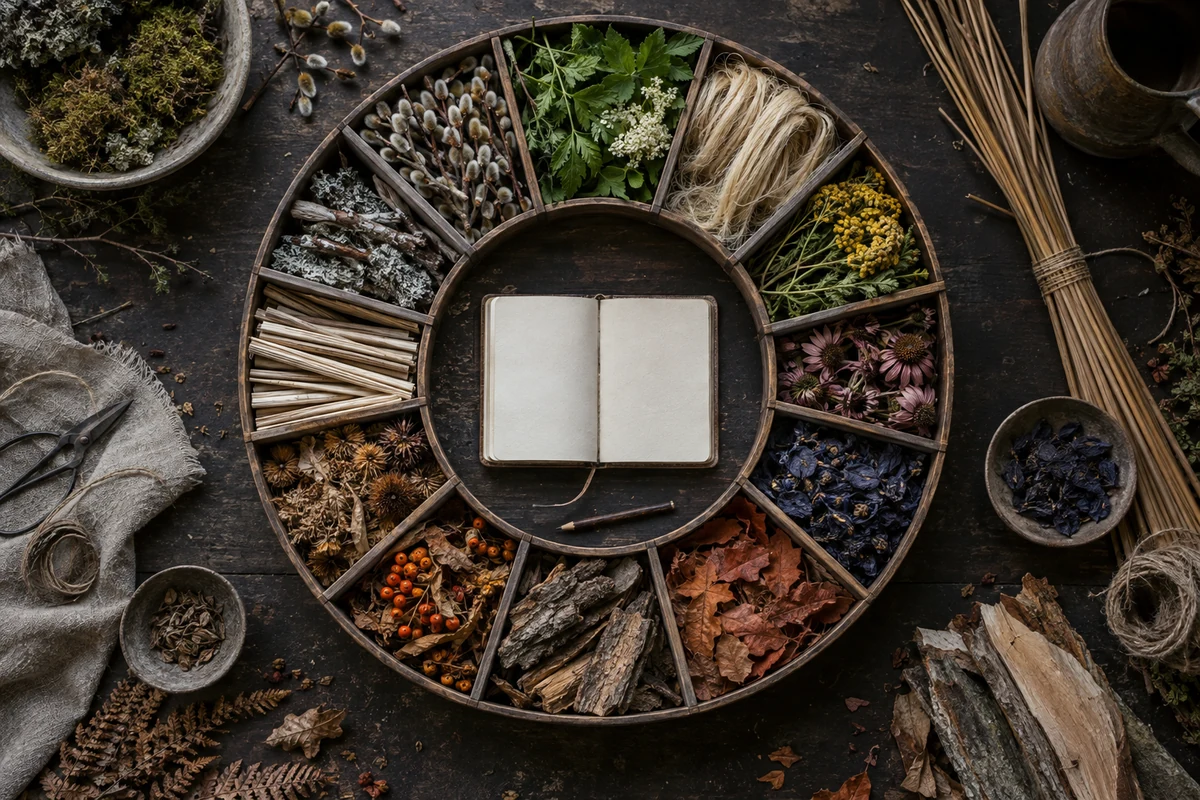 Read field guide
A Craft Inventory Led by the Community
A useful craft inventory is designed with practitioners, carries clear access choices, and remains open to community review.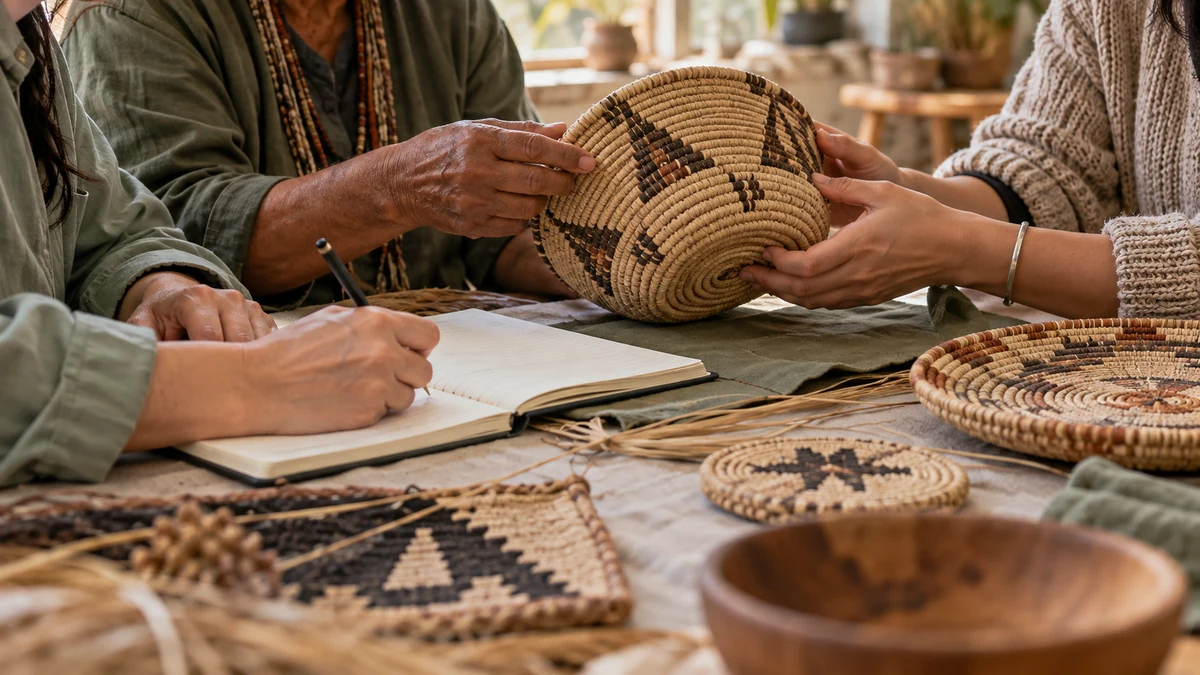 Read field guide
When Craft Knowledge Should Not Become a Public Record
Not every craft detail belongs online. Access decisions should travel with the record through storage, publication, and reuse. Read field guide
Craft Materials, Climate Change, and Everyday Access
Craft continuity depends on more than finished objects: materials, access, stewardship, teaching, and local evidence all matter.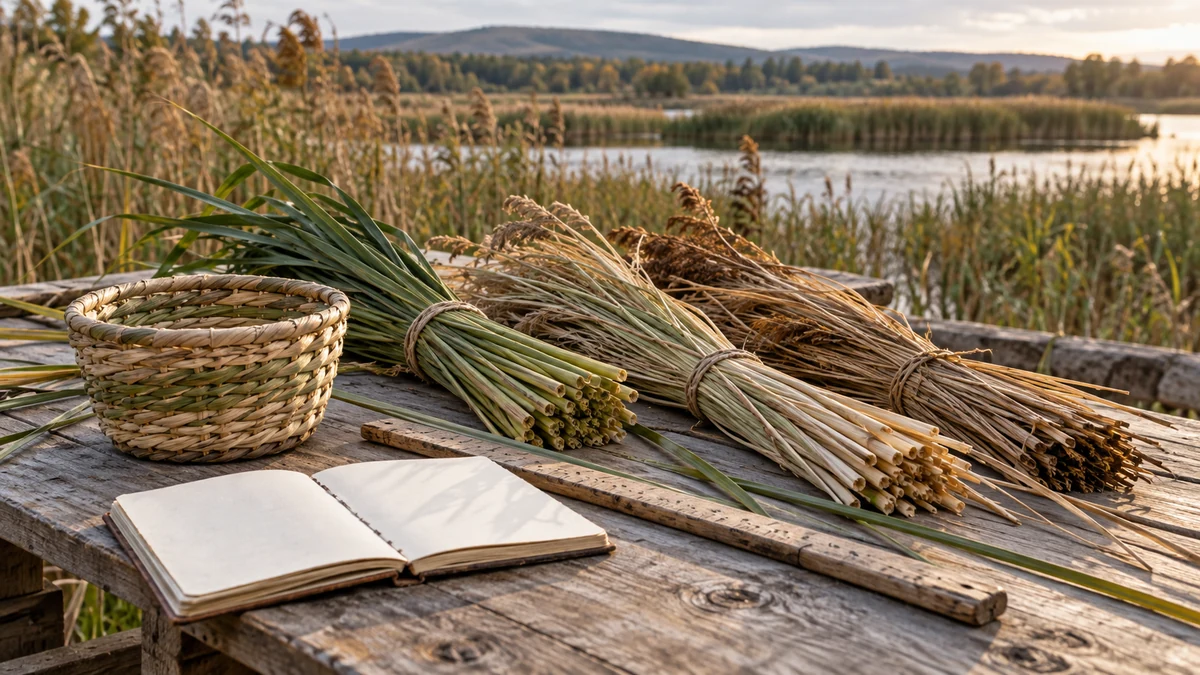 Read field guide
Return Craft Documentation to the People Who Shared It
Return is part of documentation design: files should arrive usable, understandable, and accompanied by the permissions that govern them.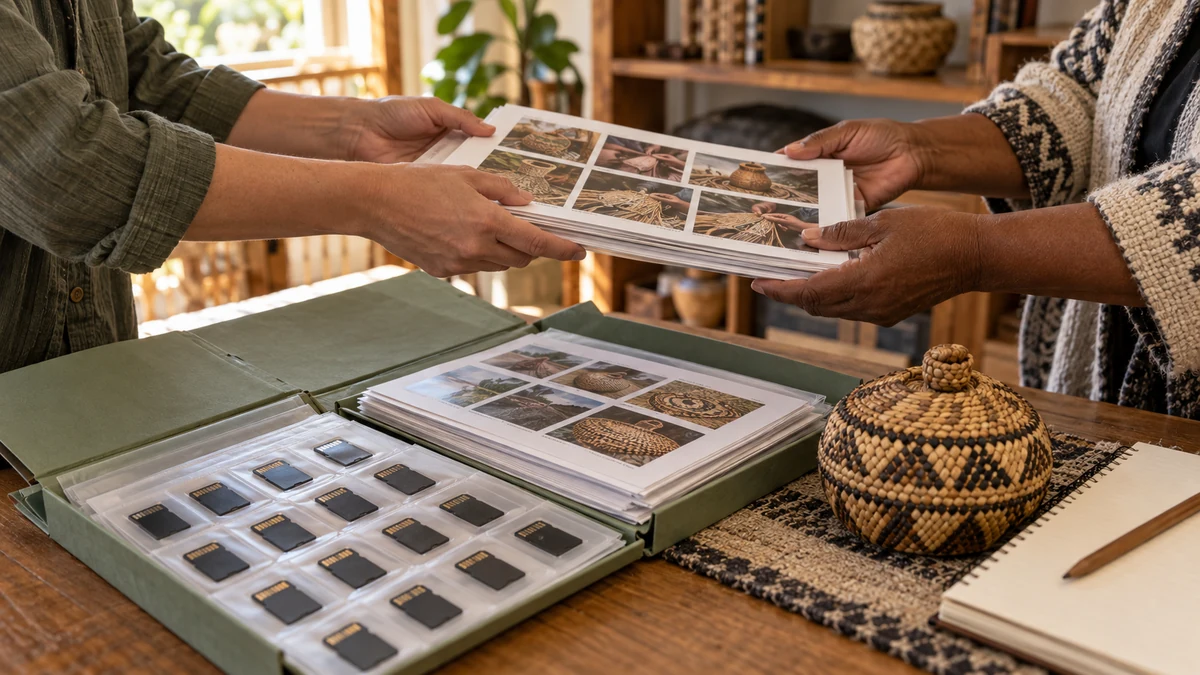 Read field guide