
Material Intelligence
Learn to read fibre, clay, timber, metal, paper and lime before choosing a technique.
Reading Willow Before the First Weave
A field guide to how willow rods reveal growth, moisture and intended use before a basket begins.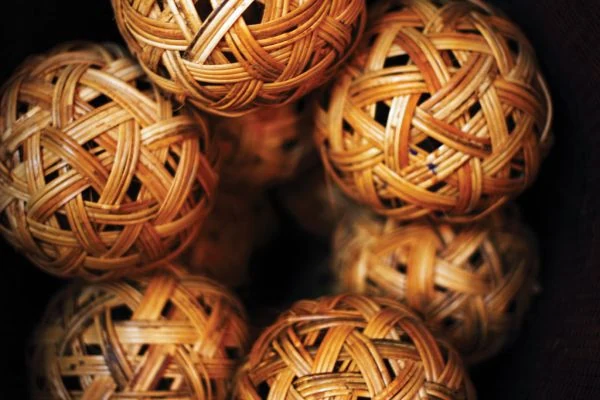 Read field guide
Reading Handmade Paper Under Raking Light
A field guide to using low-angle light to understand a sheet of handmade paper without invasive tests.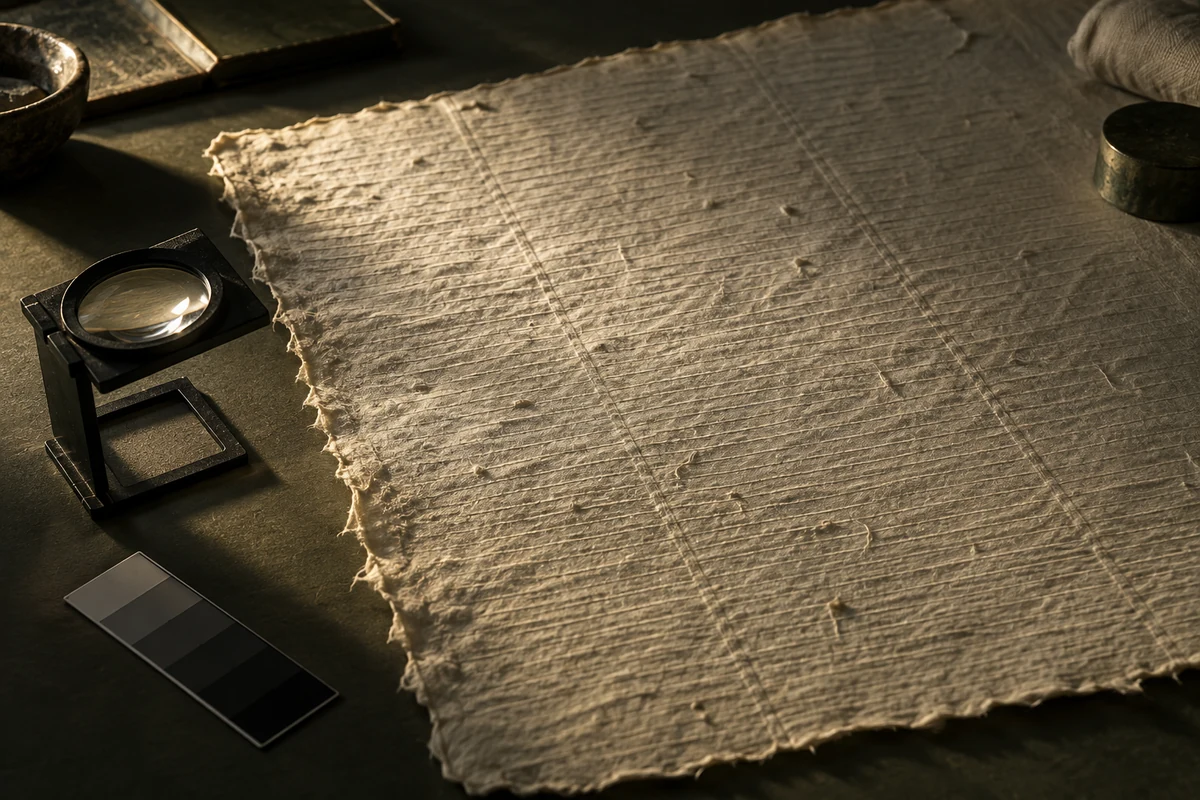 Read field guide
Warp, Weft, and the Tapestry Surface
A field guide to recognizing why tapestry behaves differently from ordinary balanced cloth.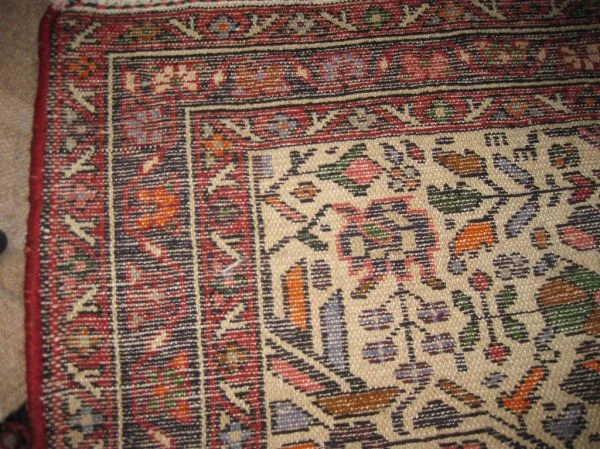 Read field guide
What Clay Body and Glaze Fit Reveal
A field guide to reading a ceramic surface as an interaction between body, firing and glaze.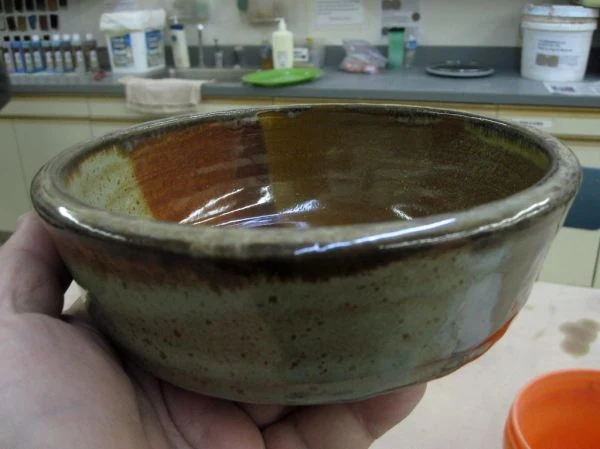 Read field guide
Indigo Is a Process, Not Just a Colour
A field guide to understanding indigo through fibre preparation, resist work, repeated dipping and local knowledge.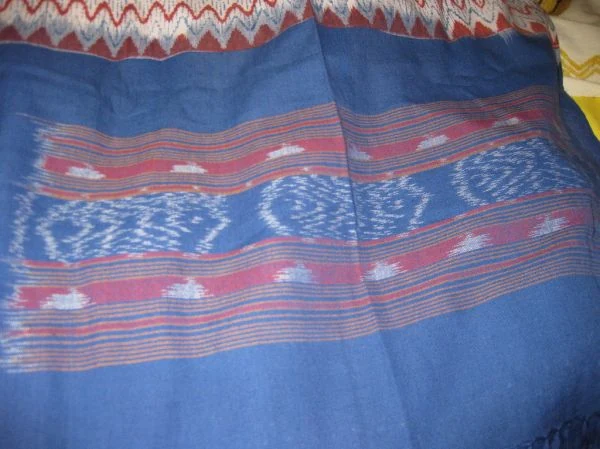 Read field guide
Read the Grain Before Carving
A field guide to seeing growth direction, figure and defects as constraints that guide a carved form.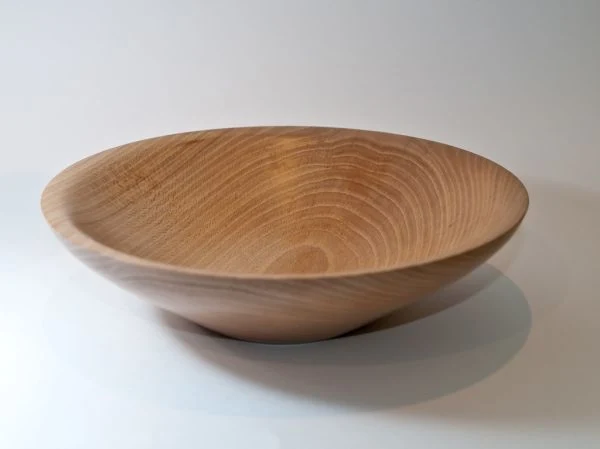 Read field guide
Why Lime Belongs to a Whole Wall
A field guide to understanding lime mortar and plaster as parts of a moisture-managing building assembly. Read field guide
Fibre Under Magnification
A field guide to using a simple loupe to compare plant fibres without pretending to identify species from one image.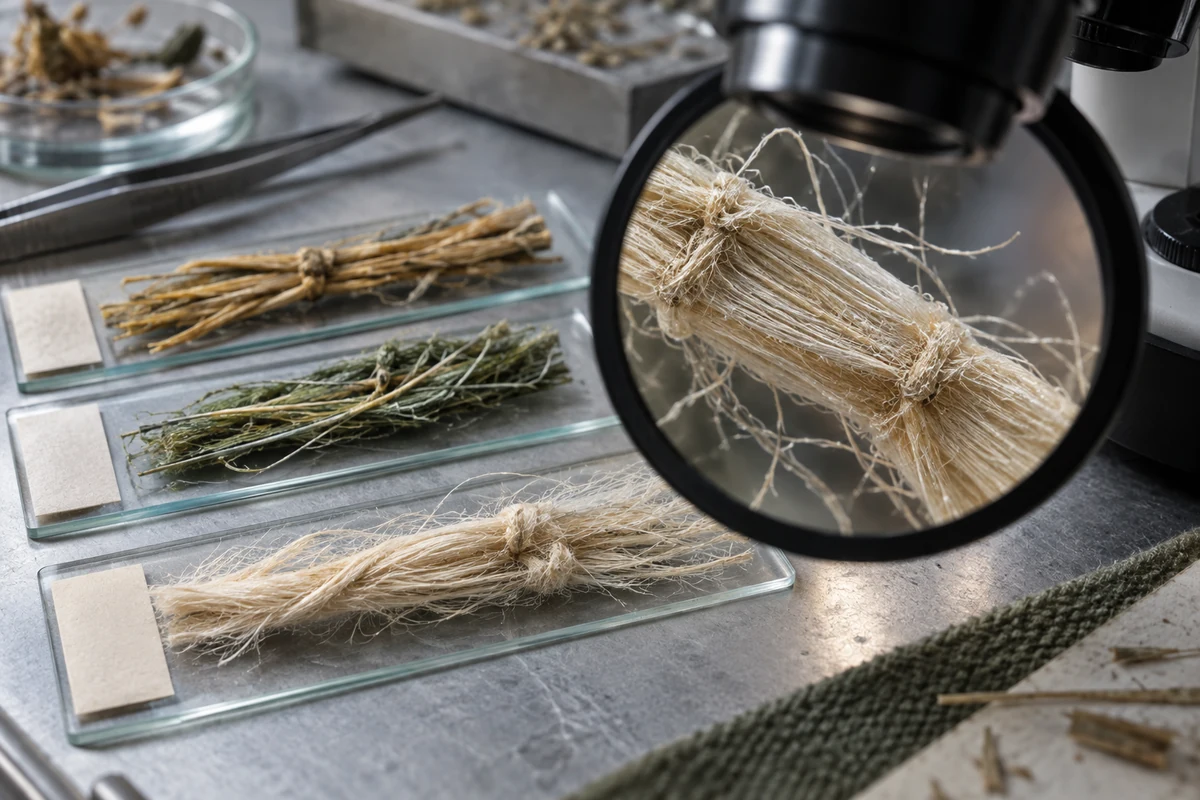 Read field guide
What a Fibre Blend Hides from a Surface Inspection
A label can identify a fibre claim; a close look can describe a surface. Keep those forms of evidence distinct when recording a textile.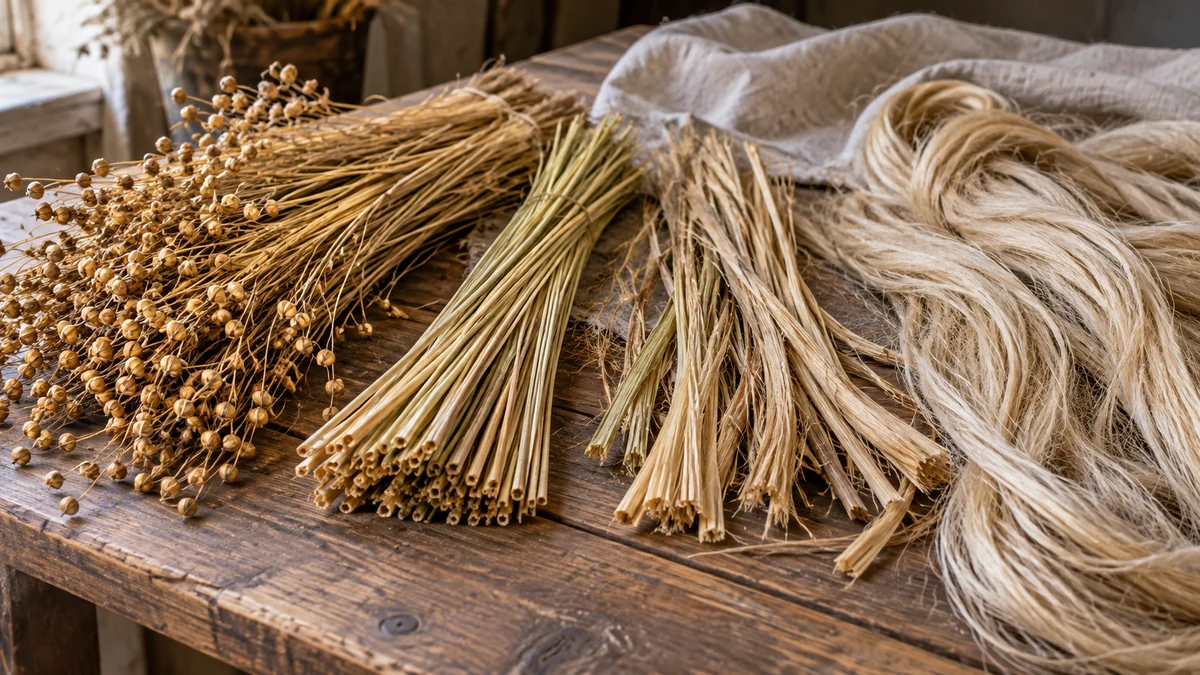 Read field guide
Why Wood Moves Across the Grain
Wood does not move equally in every direction. Grain, construction and moisture history help explain why a change appears where it does.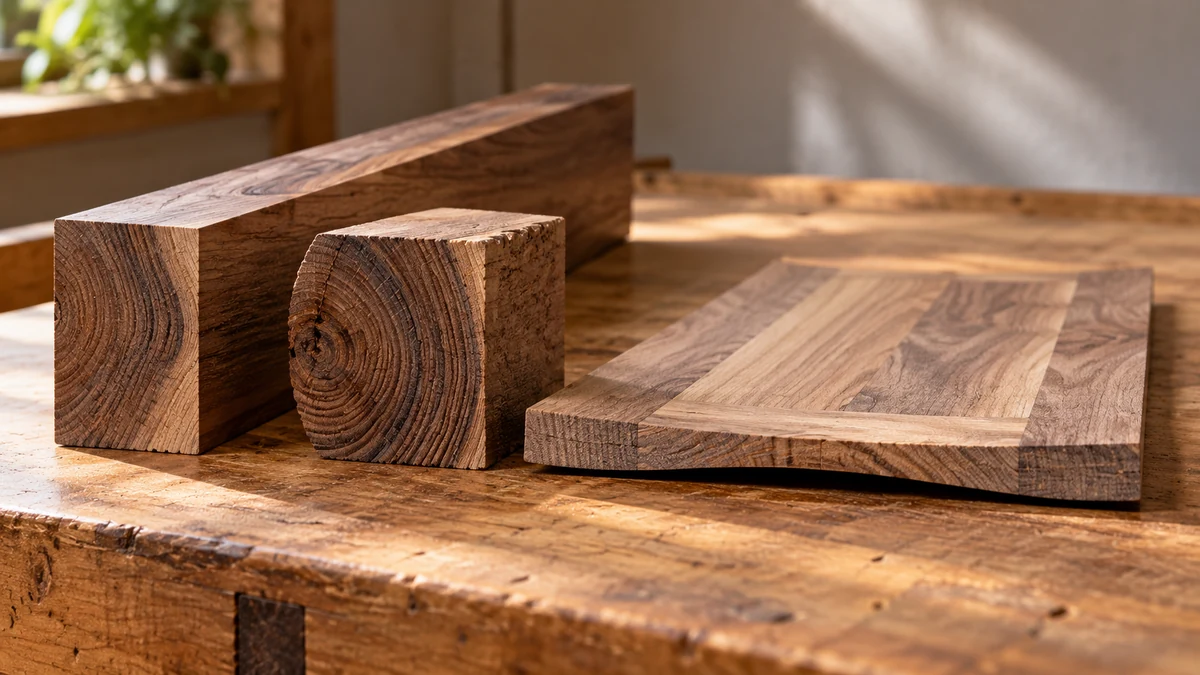 Read field guide
Reading a Ceramic Break Without Naming Its Cause
A break can reveal layers and construction. Describe those clues carefully, then leave cause open until the evidence supports it.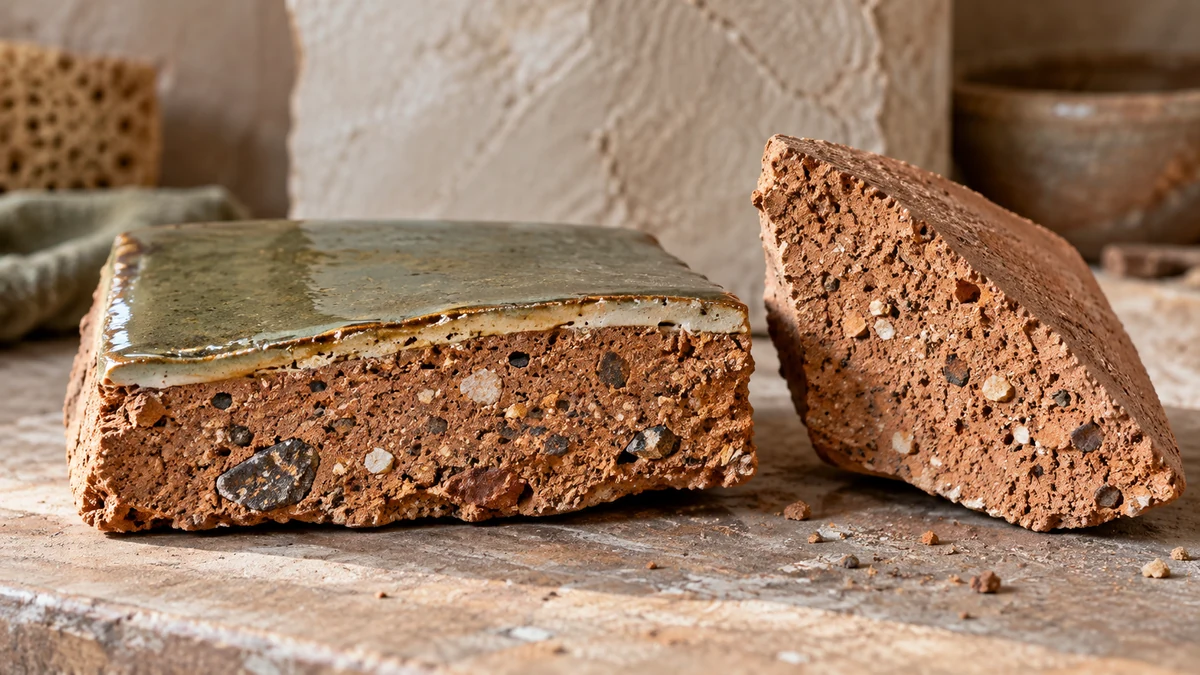 Read field guide
Patina or Active Corrosion? Reading Change Over Time
Color alone cannot tell whether corrosion is stable. Look for physical change over time and keep surface reading separate from treatment decisions.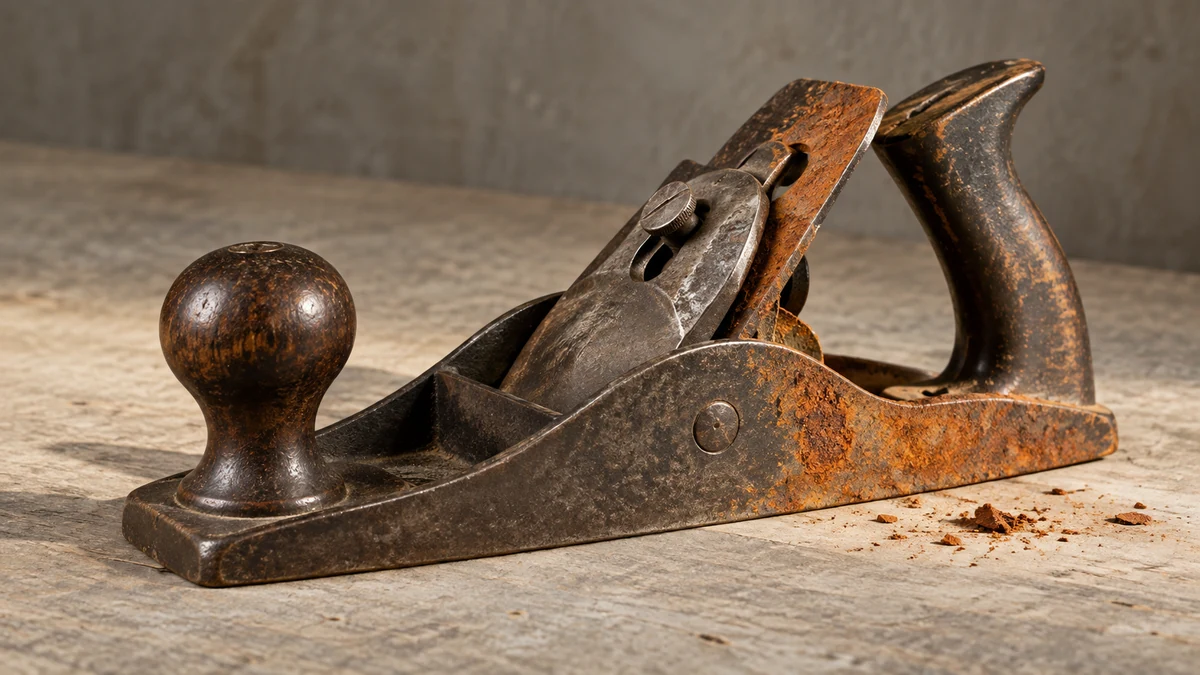 Read field guide